Why peer-to-peer delivery is the future of international shipping
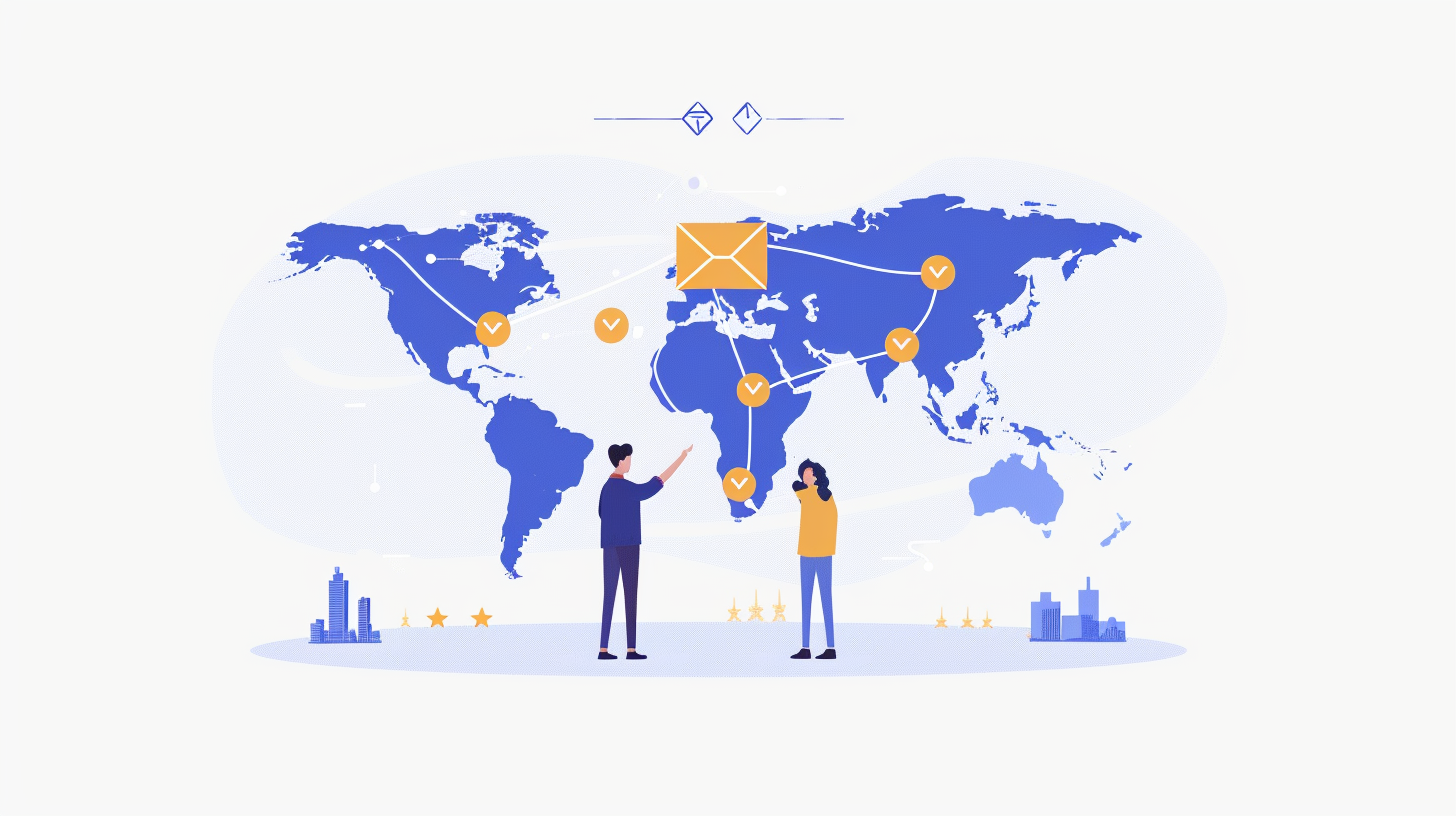
Sending a package internationally has always been a headache. Between expensive courier fees, unpredictable customs delays, and a complete lack of personal touch, the experience leaves a lot to be desired. But a new model is emerging that flips the script entirely: peer-to-peer delivery.
The problem with traditional shipping
International shipping companies charge premium rates because they operate massive logistics networks: warehouses, trucks, planes, customs brokers. For a single package, you are paying for a tiny slice of that enormous infrastructure. And even then, delivery can take weeks.
For items that are small, personal, or time-sensitive (a specific product only available in one country, a gift for a family member, documents that need to arrive quickly), traditional shipping is overkill. You are paying for a system designed to move containers, not care packages.
Enter peer-to-peer delivery
The idea is simple: every day, thousands of people fly between cities and countries with spare luggage space. What if someone heading from Paris to Tunis could carry your package along the way?
That is exactly what platforms like Colia enable. A sender posts what they need delivered, a traveler heading that direction picks it up, and both benefit. The sender gets fast, affordable delivery. The traveler earns money from space they were not using anyway.
Why it works
Cheaper than couriers
No infrastructure overhead. The traveler is already making the trip, so the marginal cost is near zero.
Faster delivery
Most deliveries happen within 24 to 72 hours. No waiting in a warehouse queue.
Better for the planet
No extra planes or trucks. Deliveries piggyback on trips that are already happening.
Human connection
You deal with a real person, not a tracking number. Communication is direct and flexible.
The trust challenge
The biggest question people have is: can I trust a stranger with my package? This is where platform design matters. On Colia, every user can verify their identity, and the community rates every interaction. Payments are held in escrow and only released after delivery confirmation. The incentive structure naturally pushes toward honest behavior.
What is next?
Peer-to-peer delivery is still in its early days, but the potential is enormous. As more travelers and senders join platforms like Colia, the network effect kicks in: more routes, more availability, faster matches. The future of international delivery is not bigger logistics companies. It is regular people helping each other, one trip at a time.
Ready to try it?
Whether you need something delivered or you have spare luggage space, Colia connects you with the right person.